Accommodation & Resorts
Small vs Large Maldives Resort: Which Will Suit Your Trip…
Island size changes how a Maldives resort feels, from walking distances and dining choice to privacy, activities and the rhythm of your day.
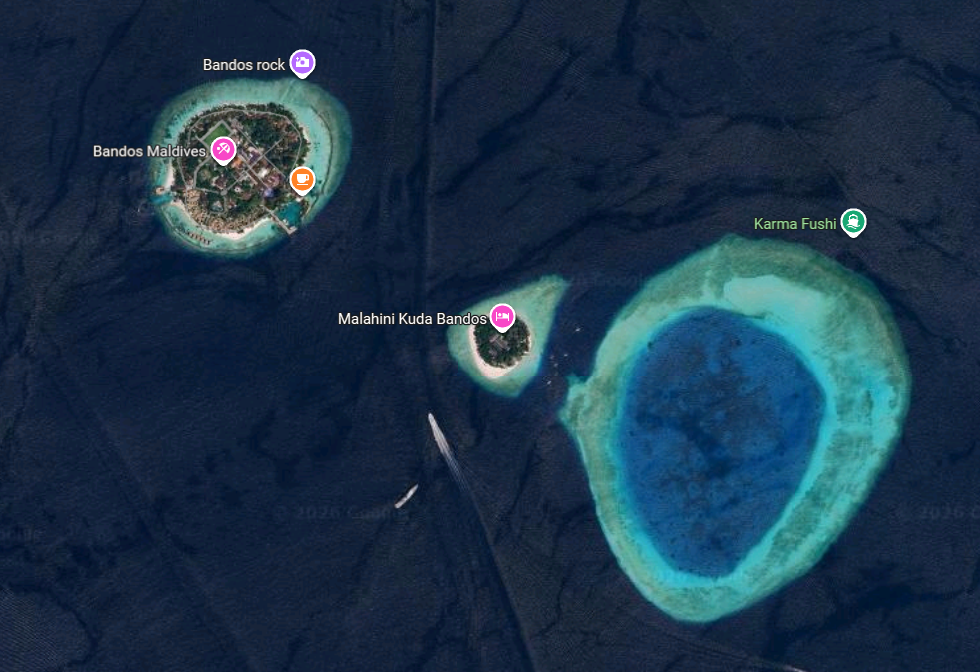
If you picture the Maldives as tiny islands where everything is a few barefoot steps away, that is only part of the story. Resort islands vary considerably in size, layout and number of villas. A smaller island usually suits travellers who value simplicity, intimacy and short distances; a larger island often suits those wanting more restaurants, activities, space to explore and facilities for different ages. Neither is automatically quieter or more luxurious. The useful question is how you expect to spend your days. What does island size actually change? Maldives resorts commonly operate under the country's distinctive one-island, one-resort model, but the islands themselves can be very different. Hurawalhi, for example, is approximately 400 metres long and 165 metres wide, while Kuredu stretches about 1.8 kilometres along the same Lhaviyani Atoll. That difference affects everyday movement. On a compact island, you may be able to walk from your villa to breakfast, the beach, dive centre and sunset bar within minutes. There is less need to plan where you are going next, and the island can quickly become familiar. A larger resort can offer more territory to explore, but your villa location becomes more important. Restaurants, beaches or activities may be some distance apart, and resorts may use bicycles or buggies to help guests move around. Do not use size alone as a proxy for crowds. Villa density, occupancy, landscaping and resort layout matter just as much. Gili Lankanfushi currently has only 45 villas and residences, whereas Kuredu lists 389 rooms across several distinct areas. Those are very different operating models, not simply different-sized islands. When is a smaller island the better choice? A compact island often works well when you want your Maldives holiday to feel deliberately simple. Couples spending much of the day swimming, snorkelling, reading or relaxing may prefer having everything close by. A small island can also be convenient when you dislike relying on transport within a resort or simply want to learn the entire island quickly. But check what “small” means in practice. An island may have a tiny land area while a long overwater-villa jetty substantially increases the walk from your room. Restaurant choice may also be more limited, which matters more on a ten-night stay than a three-night one. For snorkellers, island dimensions are less important than the location and accessibility of the reef. A compact island with an easily reached house reef may be excellent for frequent independent snorkelling; a visually larger lagoon may place the reef much farther away. If marine access is central to your choice, browse Beyond Sunset's Maldives Field Notes alongside the resort map rather than judging from aerial photographs alone. When does a larger resort make more sense? Larger islands become particularly useful when different travellers want different things from the same holiday. Families may value greater activity choice and separate spaces for children, teenagers and adults. Groups may appreciate several dining venues and enough variety that everyone does not need to follow the same daily schedule. Travellers staying for a week or longer may simply enjoy having more places to walk and discover. Large does not necessarily mean impersonal. Some resorts divide the island into zones, allowing one section to feel noticeably quieter than another. Kuredu, for instance, currently operates separate areas with different age policies, including an all-ages main area and other sections reserved for older guests. Equally, more facilities do not guarantee that they are conveniently located for your villa. Before booking, look at the resort map , not only its amenities list. Ask where your room category sits relative to the beach you prefer, restaurants you are likely to use, kids' club, house reef access and main activity areas. This is especially important for travellers with young children or reduced mobility. Beyond Sunset's Maldives journey ideas show why resort selection works best when the property is matched to the purpose and pace of the trip rather than to a generic ranking. The simplest way to choose is to imagine an ordinary day: Do you want breakfast, reef, villa and dinner within a compact circle, or would you enjoy walking, cycling and choosing between several different parts of an island? Then compare island size together with villa count, resort map, facilities, reef access and trip length. If you want help narrowing resorts around those priorities, share your dates, travellers, approximate budget and preferred holiday rhythm through Beyond Sunset's private journey brief .