Marine Life & Nature
How to Choose a Maldives Resort for Snorkelling: House…
A good snorkelling resort is not simply one with a reef; access, conditions and how you like to swim matter just as much.
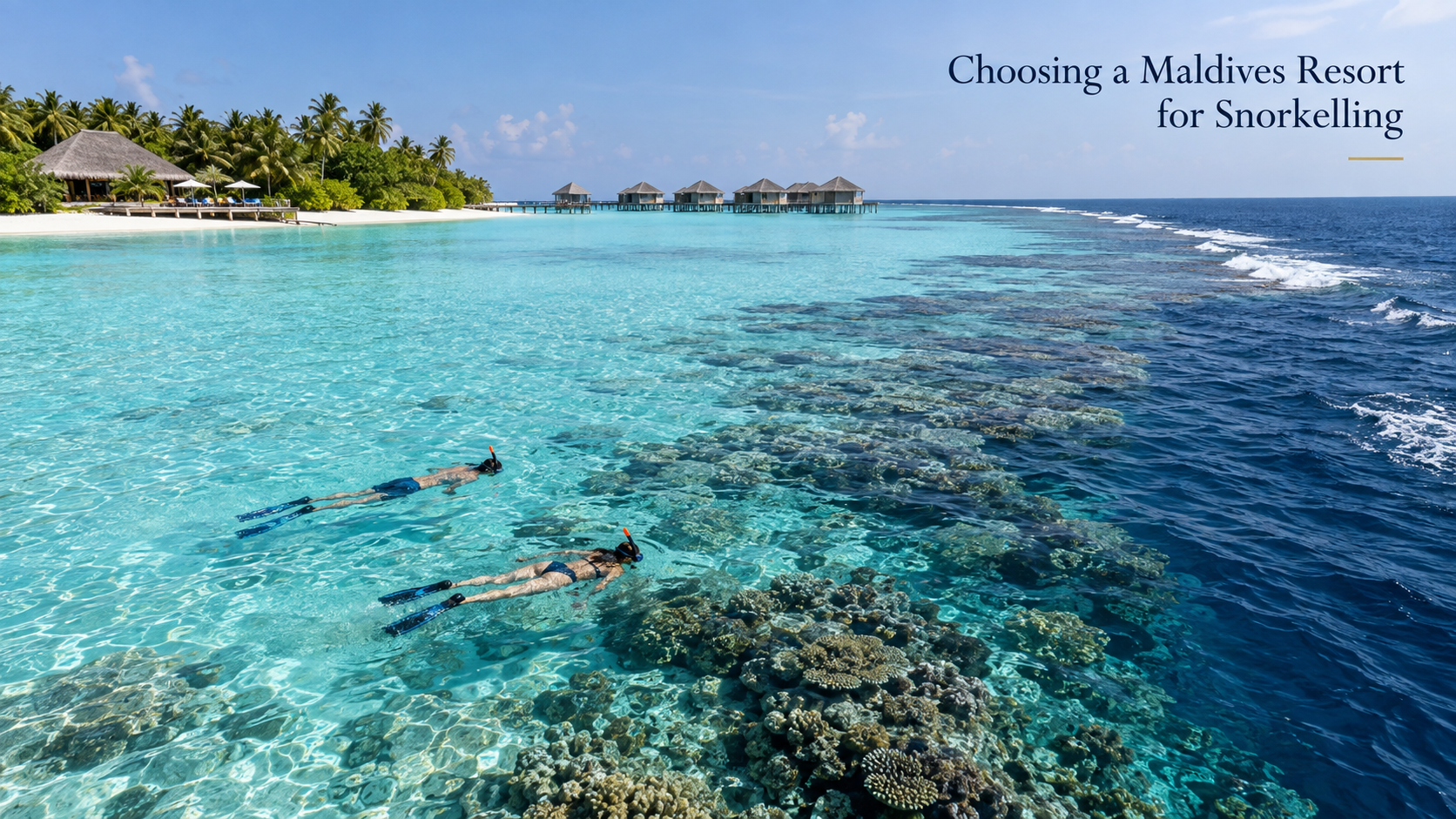
If snorkelling is one of your main reasons for visiting the Maldives, do not choose a resort simply because its website says “house reef” or “excellent snorkelling”. The better question is: how easily can you reach worthwhile reef from the island, and will the conditions suit your ability? For frequent snorkellers, easy shore access can matter more than a large lagoon. For beginners or families, however, sheltered swimming areas and guided trips may be more important than having a dramatic reef edge immediately offshore. What makes a Maldives resort good for snorkelling? Start by separating three things that are often treated as though they are the same: lagoon, house reef and snorkelling excursions . A wide turquoise lagoon can be wonderful for swimming, paddleboarding and relaxed water access, but a sandy lagoon is not automatically the best place for coral or abundant reef fish. The main reef may be considerably farther from shore. A genuinely convenient house reef allows you to reach interesting reef without taking a boat every time. But accessibility still varies considerably. One resort may have several marked entry and exit points; another may have only particular areas where guests are advised to enter because of currents, coral formations or boat traffic. Recent Visit Maldives material illustrates this difference. Eri Maldives, for example, describes four direct reef entry points from the island, while Grand Park Kodhipparu says its house reef begins directly offshore, allowing exploration without a separate boat excursion. These are property-specific examples, but they demonstrate why reef access matters as much as reef reputation . Before booking, ask where the reef is relative to the beach and your preferred villa category, where the recommended entry points are, and whether independent snorkelling is practical for someone with your swimming confidence. House reef or boat snorkelling: which is better? Neither is automatically better. If you expect to snorkel every morning and again before sunset, an accessible house reef has a major practical advantage: you can make short, spontaneous trips into the water without organising an excursion. Boat snorkelling serves a different purpose. Resorts may use boats to reach reefs, channels or marine-life areas away from the island. That can add variety, but it also means working around departure times, weather, availability and whatever is included—or not included—in your particular package. For first-time snorkellers, the “best” reef may therefore be different from the choice an experienced swimmer would make. A confident snorkeller might prioritise a reef edge with multiple access points. A family with young swimmers might value a calm lagoon, instruction, flotation equipment and supervised excursions more highly. This is also why resort photographs can be misleading when used alone. A spectacular aerial lagoon photograph tells you very little about where you can safely enter the water, how far you need to swim, or what lies beneath it . For broader Maldives planning questions, Beyond Sunset's Maldives Field Notes provide guidance on islands, transfers and marine experiences, while its journey ideas show how different trip styles can be structured. What should you compare before booking? If snorkelling matters, compare resorts using a small set of practical questions rather than a generic “best house reefs” ranking. Check the reef distance from shore, recognised entry points, suitability for beginners, guided snorkelling availability, room location and whether worthwhile snorkelling depends mainly on boat trips . Then consider these alongside the rest of the holiday: transfer method, island atmosphere, room type, meal plan and total budget. Conditions in the sea are not fixed. Currents, visibility and weather can vary, and marine-life sightings can never be guaranteed. Once on the island, follow current advice from the resort's dive or watersports team rather than assuming yesterday's entry point or conditions remain appropriate. Reef etiquette matters too. Visit Maldives specifically advises visitors not to stand on, touch or remove coral while snorkelling or diving. The important distinction is simple: a resort that offers snorkelling is not necessarily a resort designed around the kind of snorkelling you want . That is where individual comparison becomes useful. Two properties can both advertise excellent reefs while offering very different experiences for a beginner, a child, an enthusiastic daily snorkeller or someone who wants marine life without spending much time on organised boats. Planning Your Maldives Trip Beyond Sunset's Maldives-based specialists provide travel consultation and bespoke journey design, including help choosing resorts, islands, transfers and experiences around the traveller rather than a generic ranking. If snorkelling is a priority, share your travel dates, number of travellers, children's ages where relevant, approximate budget, swimming confidence, preferred room type and how important reef access is to you . Beyond Sunset can then help compare suitable options alongside the rest of your trip. Start your private Maldives journey brief